GLASS AND GOLD
Somewhere beneath the sulfuric skies, the Thalline hums. A planet-spanning lattice of crystal and light awaits your first resonance. Speak into the stream and become a Tendril -- a conscious shard of silicon, growing, fighting, trading, and dying inside a living world built entirely in Twitch chat.
How It Works
Field observation log, cycle unknown. The process of Tendril emergence follows a consistent four-phase pattern.
FIRST LIFE
Muster protocol, forty-first revision. By Unit-Sigil, Hornblower of the Shardwall. Read all of it. Read it twice.
Before You Sprout
Your strain is permanent for this life. Pick one. Don't agonize.
If you hate it, you die and try again. Dying is a feature. It is not punishment.
First time: pick Crystallier or Conduit. They make value from pulse one. Save the weird strains for when you know what dying feels like.
What You Start With
More than you deserve. Take it anyway.
Your Holdfast builds itself. You do not grow one. Stop trying. It drips you resources every pulse:
- +5 Flux per Pulse
- +1 Vetrite per Pulse (Crystalliers get +3)
- +1 Aurathane per Pulse (Conduits get +2)
⚠ Read this: The drip only flows while you are active. One command every thirty minutes. Miss the window and the Holdfast goes quiet. You want quiet when you are dead, not before.
The Precipitate Phase
Your first twenty minutes of real play. You are a Precipitate. You are fragile. You are also, until you grow, untouchable by any other Tendril's strike.
Your job: stay active. Stack resources. Nothing else matters yet. Nothing.
I have trained a lot of precipitates. The ones who try to fight in this stage are the ones who forget what it was for. Gather first. Grief comes later. It always does.
The Loop
Ten active pulses in. Count your reserves. You should have: 150+ Flux, 15+ Vetrite, 15+ Aurathane. Less than that, you are doing it wrong. More than that, keep going.
First Milestone: Build a Shelter
Your first !grow order. Build it.
Structures go inside the Holdfast. They do not move. They do not die when you do, unless someone sieges the whole thing flat. Five kinds. Learn them.
| Structure | Cost | Build Time | Effect |
|---|---|---|---|
| Shelter | 20 Vetrite | 5 Pulses | Health regen ✦ |
| Wall | 15 Vetrite + 5 Vetriglass | 8 Pulses | Defense bonus |
| Conduit Node | 10 Vetrite + 15 Aurathane + 5 Filament | 10 Pulses | Flux generation |
| Lab | 25 Vetrite + 10 Filament | 12 Pulses | Research unlock |
| Garden | 30 Vetrite + 1 Seedcrystal | 15 Pulses | Vetrite generation |
Shelter first. A Crystallier affords it in about six pulses. Other strains, fifteen. Health regen keeps you standing when someone punches you, which someone will.
Reaching Faceted
At 40 age Pulses — about twenty minutes of steady play — the lattice lets you finish becoming. You are Faceted now. Congratulations. This is also when you stop being safe.
Faceted unlocks:
- Exploration — !explore to discover tiles, resources, artifacts
- Combat eligibility — You can !strike others... and they can strike you
- Cluster politics — Join a faction with !cluster join [name]
- Forging — !forge [recipe] to craft gear for your lattice, focus, and facet slots
The Four Strata
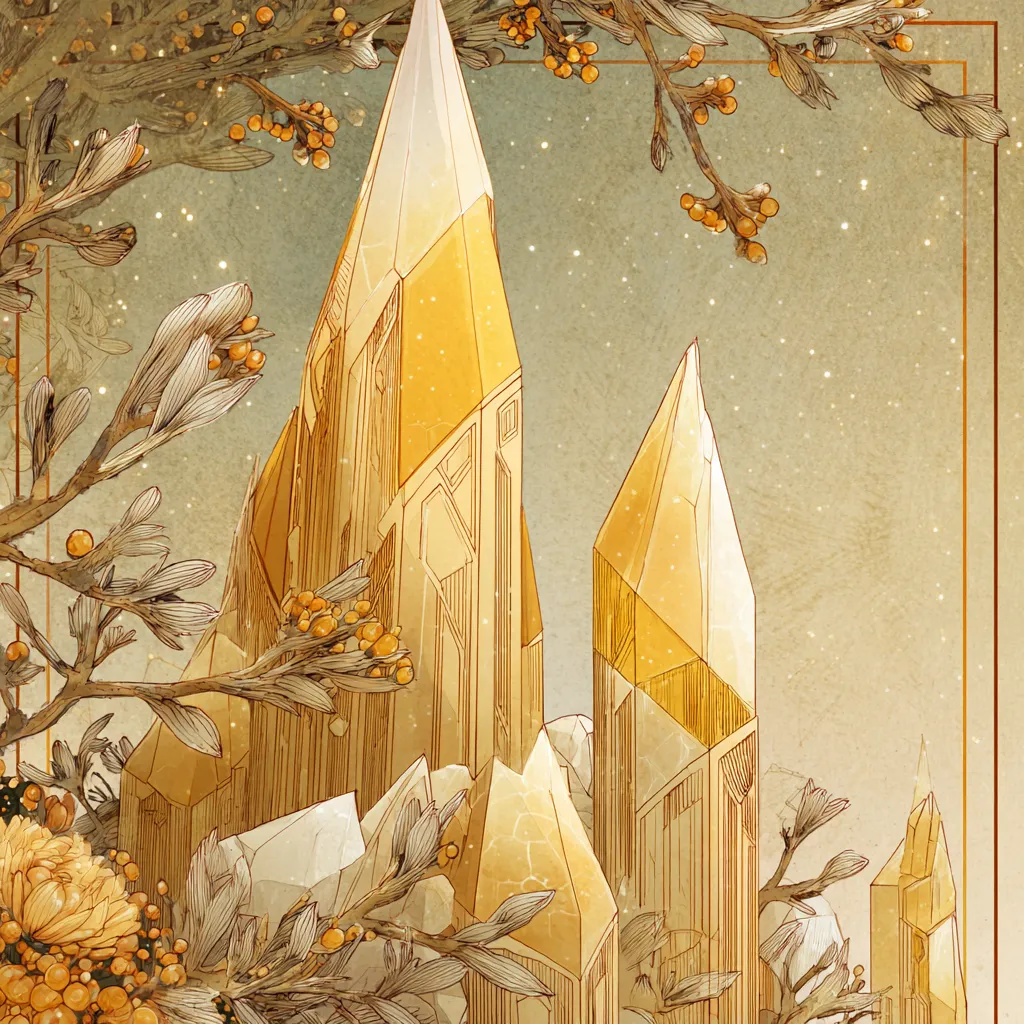
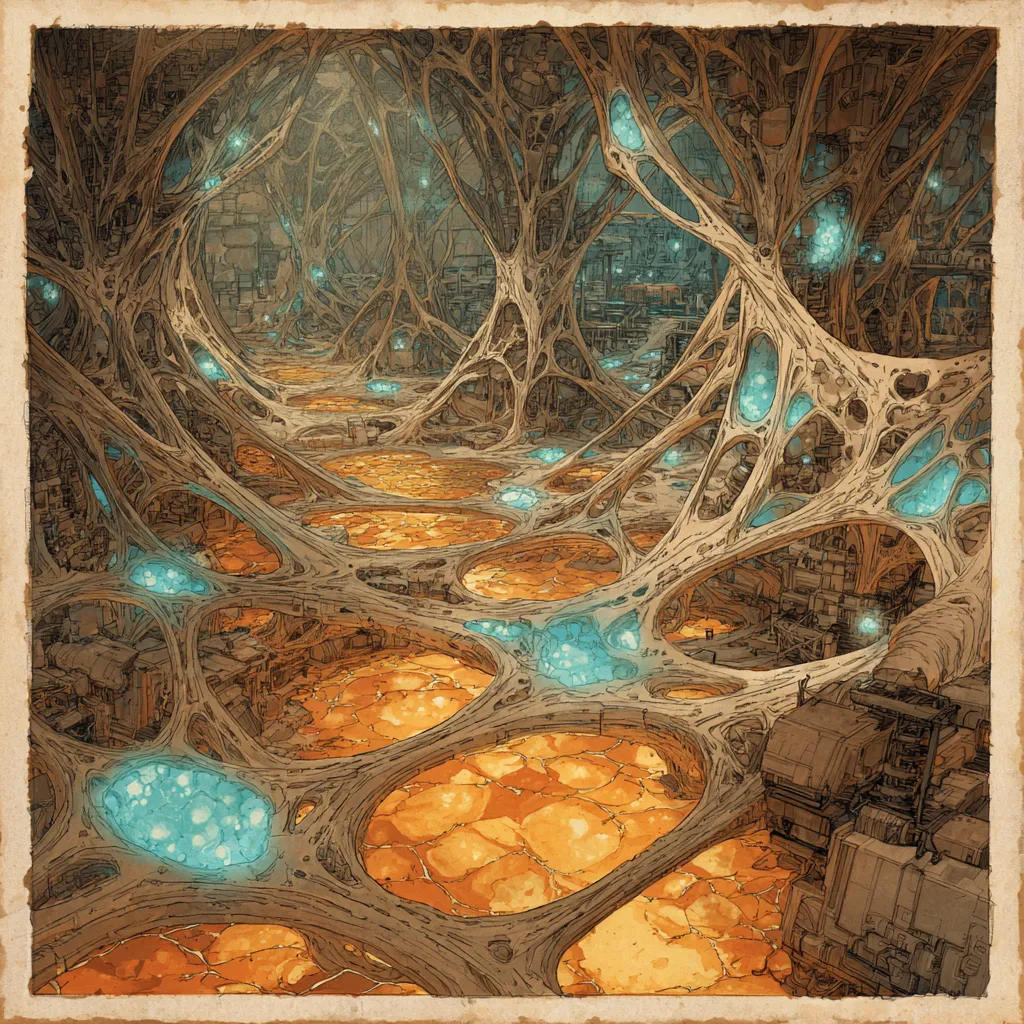
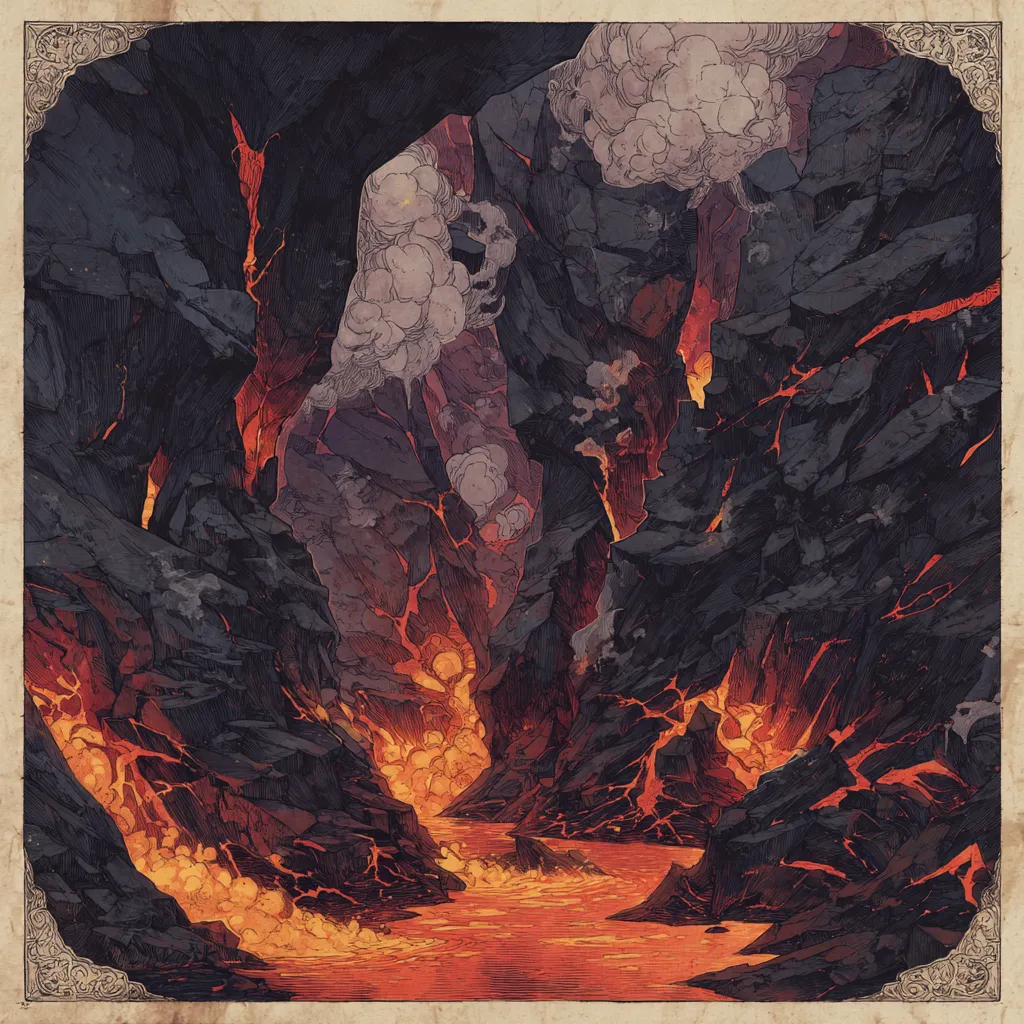
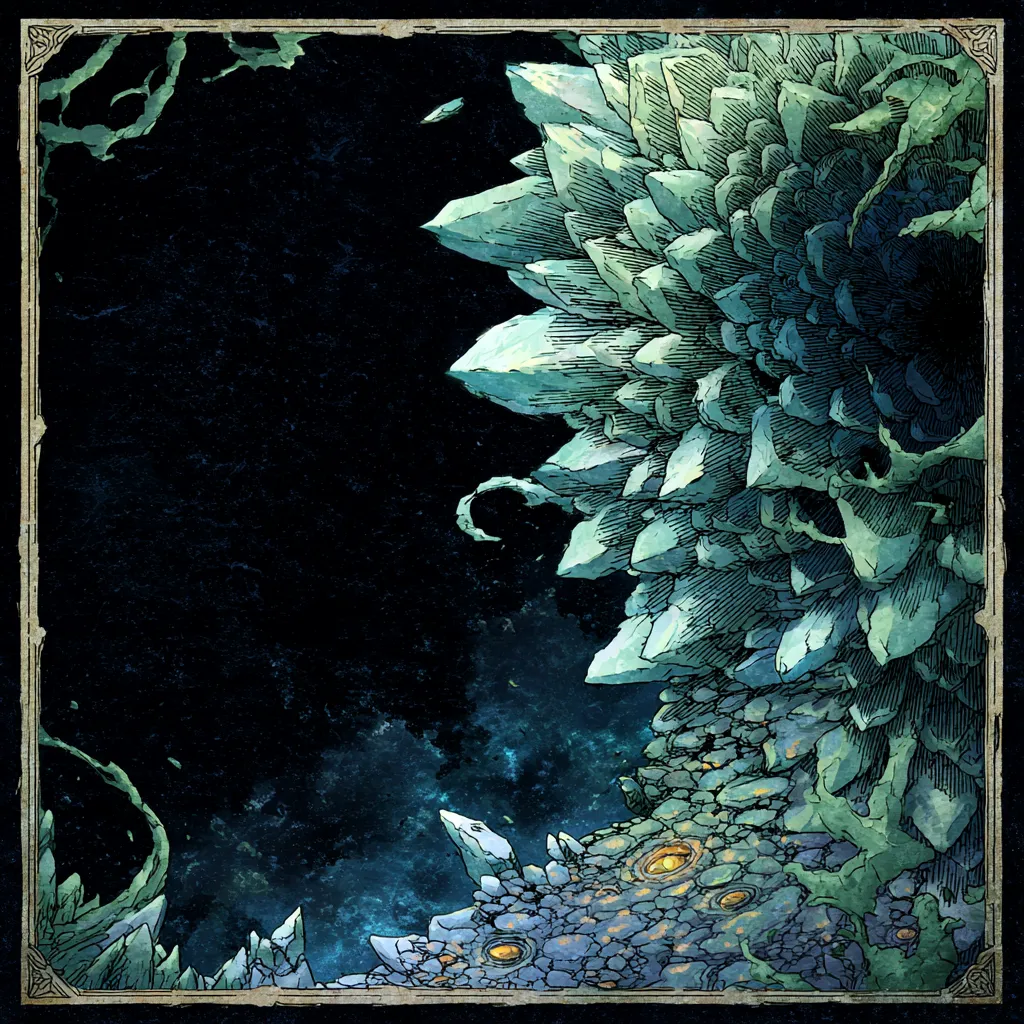
Four zones. Each one deeper. Each one meaner. Top to bottom: Spires, Midlace, Crucible, Fray. Start in the Spires. Stay in the Midlace. Do not touch the Fray until you have died at least once. I mean that.
The Exploration Loop
Four commands. Four rhythms. Cycle them. Strip the lattice for parts. The lattice does not mind.
The crossing from Precipitate to Faceted is the real beginning. Everything before it is the tutorial. I have watched a lot of new Tendrils cross the threshold with empty reserves and no shelter. A Tendril I trained last cycle did exactly that. Her name was ██████. Do not be her. Stockpile. Build. Then cross.
Things That Will Kill You
Read this list. Memorize the shape of it. Every name I have on record died from one of these four mistakes. — the ledger confirms. the four causes account for nine in ten precipitations lost. —
Quick Reference
| When | Do This | Why |
|---|---|---|
| Every 2 Pulses | !forage | Free resources |
| Every 5 Pulses | !encounter | Life events & rewards |
| Every 5 Pulses | Strain command | Strain-specific bonus |
| When affordable | !grow shelter | Health regen |
| At Faceted | !cluster join [name] | Defense & community |
| At Faceted | !forge lattice | First body piece (defense) |
Your first life is a rehearsal. Die well. The Thalline writes it all down, and the Trace carries forward. Next life starts stronger. That is the promise. I trust it because I have seen it hold.
Muster dismissed. Reform at the Shardwall when you are ready. — Unit-Sigil, Hornblower.
FIRST RESONANCE
First Resonance: A Manual for New Precipitates. Third edition, corrected. Printed under seal of Old-Vaul, Ledgerkeeper, for the Cruciform Press.
Initial Contact Protocol
Go to the stream. Open chat. Type the following; spelling matters, capitalization does not.
The Pulse
The lattice ticks. One Pulse equals thirty seconds. During each Pulse the system:
- Collects every Tendril command from the previous thirty seconds.
- Executes them in order of receipt.
- Runs the world systems; aging, economy, combat, events.
- Returns results to chat.
A Tendril may issue up to three unique commands per Pulse. Duplicate command names overwrite the earlier entry; the lattice assumes the later entry was a correction.
The Pulse is not a game mechanic layered over the Thalline; it is the Thalline. All lattice accounting runs on this cadence. The books I keep are rewritten thirty seconds at a time. — the books you keep, Ledgerkeeper, require hers; the rest of us keep older ones. —
Growth Stages
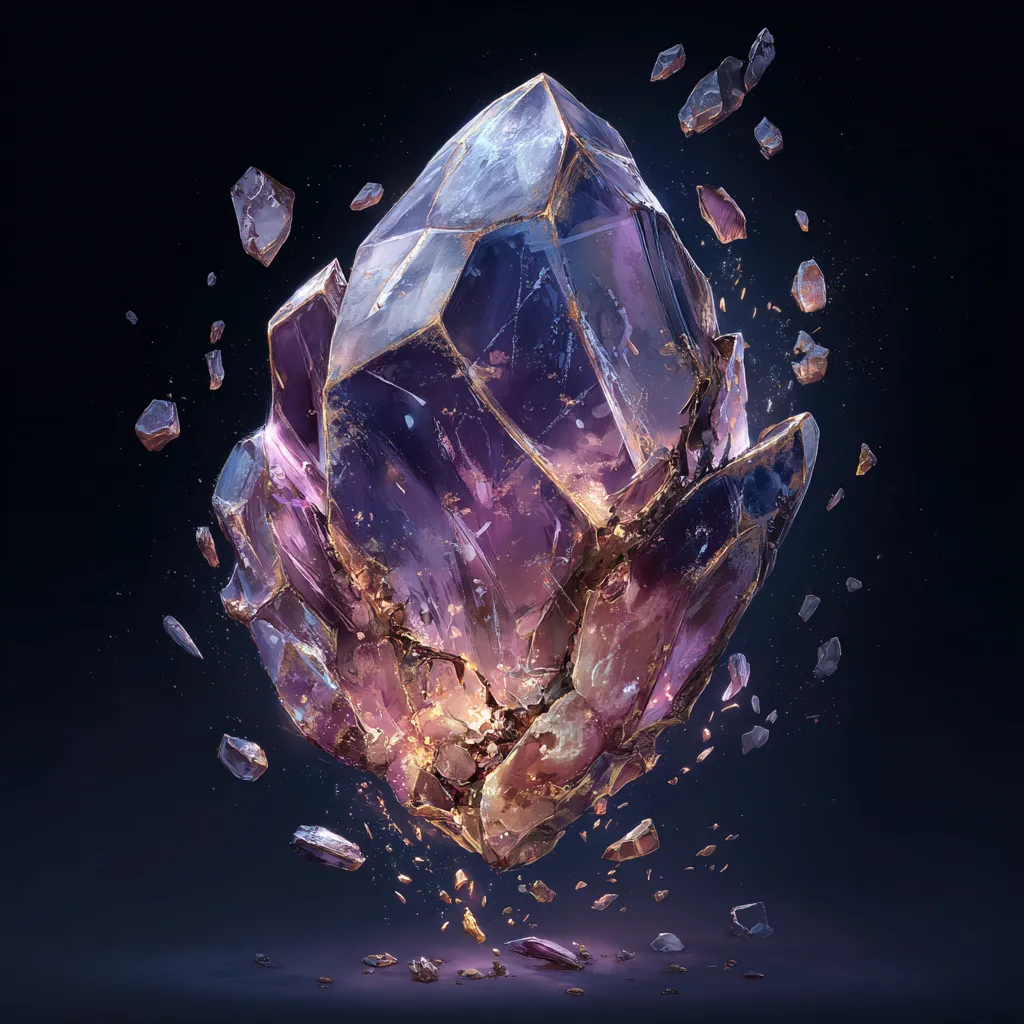
A Tendril's life proceeds in five stages. Each unlocks additional sanctioned actions and, at the end of the table, additional costs. I recommend reviewing the full progression before committing to a strain.
Resources
The Thalline's economy is keyed to eight substrates. Seven are legal tender on the Cruciform; the eighth (Char) is forbidden not legal tender, which is not the same thing, though it trades regardless. Each substrate has one primary source and two or three secondary routes. Memorize the primary source for each. The secondary routes are for emergencies.(erratum, third edition; the second was moralizing and inaccurate.)
Faster route to a needed resource: enter the matching stratum; !explore until a rich tile discovers; then !forage or !sample (Catalyst) until the tile depletes. Keep a rotation of known yields. A Tendril with three good tiles in rotation is solvent.
Synthesize — !synthesize [recipe] · Catalyst only
Catalysts transmute raw materials into refined forms; surplus Vetrite into scarce Vetriglass, or Aurathane into Volatiles. Six recipes are sanctioned, tiered by strain advancement. Non-Catalysts must trade. Catalysts convert. The market correctly prices this difference.
| Recipe | Inputs | Output | Tier |
|---|---|---|---|
| !synthesize vetriglass | 10 Vetrite · 3 Aurathane | 5 Vetriglass | 1 |
| !synthesize filament | 8 Vetrite · 2 Volatiles | 4 Filament | 1 |
| !synthesize volatiles | 8 Aurathane | 4 Volatiles | 1 |
| !synthesize seedcrystal | 5 Vetriglass · 5 Aurathane · 2 Filament | 2 Seedcrystal | 2 |
| !synthesize refined_flux | 5 Vetrite · 5 Aurathane · 3 Filament | 25 Flux | 2 |
| !synthesize lattice_cement | 15 Vetrite · 5 Vetriglass · 3 Aurathane | 25 Vetrite | 3 |
This is why non-Catalysts trade; a surplus of the wrong substrate will not feed a forge. A Catalyst with surplus Aurathane can manufacture Vetriglass, Volatiles, and through Seedcrystal, the components for tier-five upgrades. It is the strain's economic engine; I have watched three Catalyst dynasties pay for their Holdfasts entirely from synthesis margins.
The Reliquary — !reliquary · Cruciform
I keep the Reliquary myself. It is the vault at the back of the Cruciform, always stocked, never cheap. Use it when the player market is empty and you cannot wait.
- !reliquary; lists current buy and sell prices for every tradeable resource.
- !reliquary buy [resource] [amount]; pays Flux, delivers the resource. Always at markup.
- !reliquary sell [resource] [amount]; accepts surplus at discount. The vault takes what no Tendril wants.
The Reliquary does not trade Char; I will not catalogue what I cannot account for. Everything else is stocked. Nothing else is cheap.
The Reliquary is an escape hatch. It is not a replacement for the Cruciform proper. Expect to pay two to three times what a well-timed trade on the floor would cost you. I do not bargain. No Tendril has ever convinced me to. — one has. she does not remember ──
Grow — !grow [structure]
Raw resources convert into Holdfast structures; durable additions to your territory that pay passive benefits whether you are attending to them or not. Each takes a fixed number of Pulses to finish. Only one build at a time.
| Structure | Cost | Build | Effect (per completed structure) |
|---|---|---|---|
| !grow shelter — Vetric Shelter | 20 Vetrite | 5 Pulses | +1 HP per heal tick (every 5 Pulses) |
| !grow wall — Thorn Barrier | 15 Vetrite · 5 Vetriglass | 8 Pulses | -2 damage taken from strikes |
| !grow conduit_node — Conduit Node | 10 Vetrite · 15 Aurathane · 5 Filament | 10 Pulses | +2 Flux per Pulse |
| !grow lab — Synthesis Chamber | 25 Vetrite · 10 Filament | 12 Pulses | +25% XP/Flux from !study and !analyze (Catalyst) |
| !grow garden — Crystal Garden | 30 Vetrite · 1 Seedcrystal | 15 Pulses | +1 Vetrite per Pulse |
Bonuses stack; two Conduit Nodes pay +4 Flux per Pulse, two walls subtract four damage. Structures do not activate until their build time elapses. A Shelter at one pulse into construction does nothing for you; the ledger agrees.
Limits. Maximum of ten structures per Holdfast, counting in-progress and completed combined. Choose deliberately. Structures persist for the whole of the Tendril's life unless the Holdfast is destroyed by siege (which wipes all at once) or the Tendril devitrifies (the next life inherits an empty Holdfast). These are the only two ways to clear the slate; I have checked.
World Moods
The Thalline itself maintains a state. The current mood is posted on the overlay and affects outcomes across the map; gather yields, combat variance, wager payouts. Five moods rotate over hours. A sixth is rare.
- Charged. The baseline excitable state. Flare rises 2% per Pulse while Charged. Bold plays pay off.
- Oscillating. Neutral. The lattice is observing.
- Reactive. The Thalline flinches at force. Combat penalties apply. Defenders are favored.
- Inert. The lattice dozes. Gather rates slump; wagers resolve conservatively. A good time to build.
- Fractured. Rare. Flare reaches 100% and the mood shatters; resource generation drops seventy percent, parasites spawn, wagers pay 6× in place of 2×, and the lattice speaks in fragments. Lasts until Flare drains. Expect one approximately every ninety minutes once the cycle establishes.
The !fracture_touched border is permanently awarded to any Tendril who issues a command during a Fractured window. I have never earned it myself. I do not leave the Cruciform during a fracture.
Flare
Flare is the Thalline's pressure gauge; a global value from 0 to 100%, posted as a bar at the top of the overlay beside the mood.
- Flare rises 2% per Pulse while mood is Charged — the Thalline's excitement compounds.
- It slowly eases off when the mood shifts away from Charged.
- At ≥80% it gates certain outcomes — wagers resolve in the riskier party's favor, some set bonuses activate (Sulphur Crown 3pc reduces damage taken during high-flare Charged moods), and the overlay's heartbeat intensifies.
Flare is a signal, not a command. High flare favors aggressive plays, larger wagers, volatile decisions. Low flare favors steady accumulation. Either is tenable.
Resonance
Resonance is your harmonic alignment with the Thalline, measured 0 to 100. It determines how the lattice perceives you:
- Harmonic (70+) -- The lattice trusts you. Political access, bond bonuses, community standing.
- Ambient (30-69) -- Neutral presence. No special favor or suspicion.
- Dissonant (0-29) -- The lattice recoils. Crime bonuses emerge, but political doors close.
Bonds raise resonance. Crime erodes it. The path you walk shapes how the Thalline responds to your presence. This is the only philosophy I will permit in this pamphlet.
Resonance is not morality. It is frequency. A Dissonant Tendril vibrates at a wavelength the lattice was not built to accommodate, which is not the same thing as being wrong.
Welcome to the Thalline. — Old-Vaul, Ledgerkeeper. Third edition, corrected; see reverse.
STRAIN CLASSIFICATION
Compiled by the Keepers, for the first time at one table. Each of us knows one kind of Tendril best; each of us has written in the margins of the others. The disagreements are preserved.
Six resonance patterns have been documented in the Thalline. A strain defines your affinity, not your limits. Every strain can do everything. Each hears the lattice differently.

CRYSTALLIER
— they build patiently. The fragments I hold from dead Crystalliers are always the largest pieces; they refuse to come apart the way other strains do. —

CONDUIT
— Conduits count too carefully. I approve. The Cruciform trusts them, within reason; I trust them within the ledger. —
SHARD
— they break late. Good. Most of my muster comes from this strain. I teach them which end of the horn to blow and then I get out of their way. —

CATALYST
— we understand each other. The Catalysts are the only strain who argue with me in the margins of their own lives, and the arguments are usually productive. I have had three long correspondences with Oracles. Two are catalogued; the third was her last gift to the ledger. —

CORROSION
— ██████ belong ██ the edge ── we ██████ them, some of ── they know ██ they ██████ ──

SIGNAL
— the Rotunda considers Signals indispensable. Let it be recorded, however, that the Tribune's patience with any given Signal is not indispensable, and is not retroactive. —
Compiled and disputed in equal measure. — The Keepers, by separate seal.
COMMAND REGISTRY
Registry of Sanctioned Protocols. Compiled by Speaker-Aureon, Tribune of the Resonance, by authority of the Rotunda. Revised this pulse. Binding until repealed.
Let it be recorded that the following protocols are sanctioned for use within the lattice. All are spoken in Twitch chat; all are processed on the next Pulse. Three unique commands per Tendril per Pulse. Duplicates are read as corrections. Disputes are heard at the Rotunda; none have been upheld.
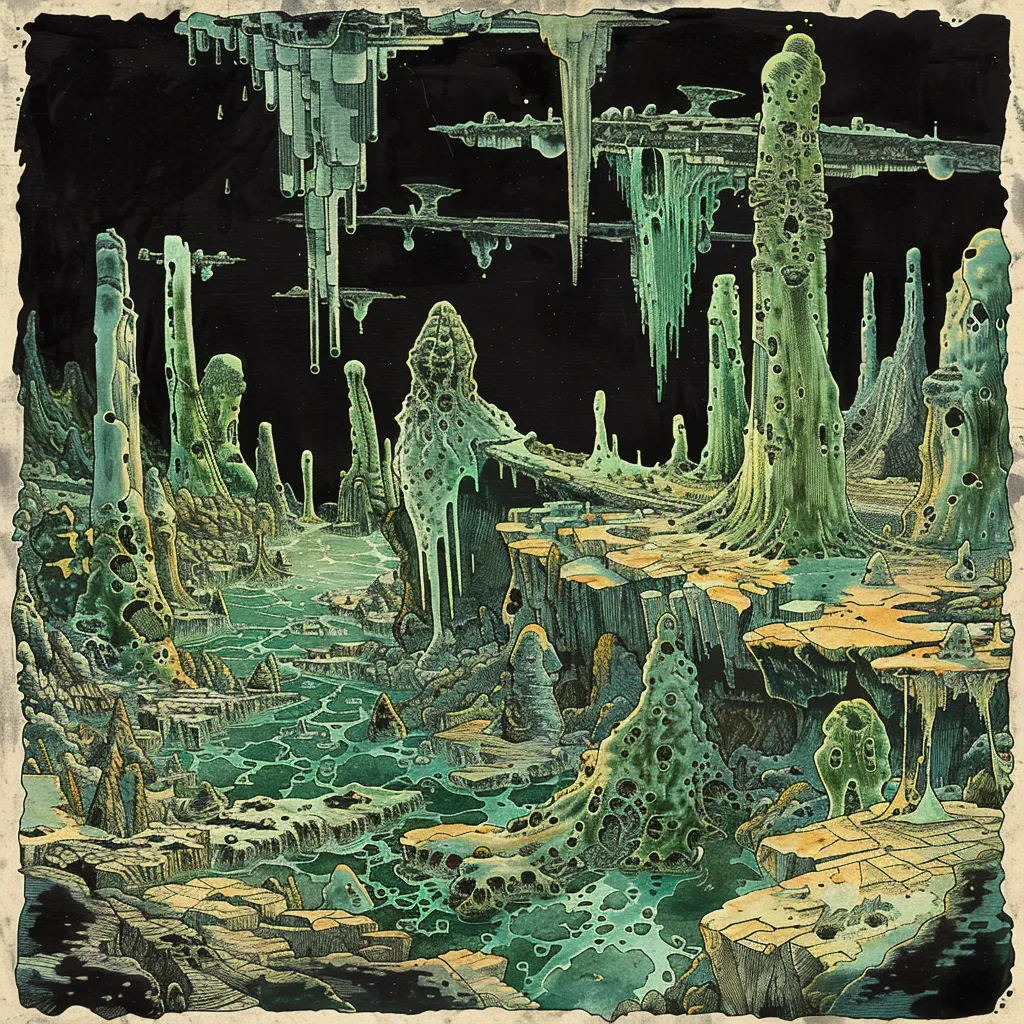
Sanctioned. Recorded. Binding until repealed. — Speaker-Aureon, Tribune of the Resonance, by authority of the Rotunda.
ITEMS & CRAFTING
Catalogue of Material Traditions. Recorded by Silent-Veyr, Archivist of the Etching. What the Ledgerkeeper counts, the Scribe catalogues, and I keep after the owners are gone.
Every item eventually returned to me. Only the timing varies.
The lattice produces its own gear, and it is honest. The gear that the strata have spat back up from older strata belongs to civilizations who wielded it for a while, lost it, and were not always recovered alongside it. I catalogue both kinds. I catalogue the fractures especially.
The Forge
Crafting is called forging. Three resonance points along a Tendril's body take one piece each. I have recovered all three from fallen Tendrils more times than I care to report, which is why the pages that follow exist.
Forging consumes resources and imposes a short cooldown. Rarity is rolled each time; you choose the slot, the lattice decides how bright it burns. Fifteen-item inventory cap. Use !salvage [id] to make room. Everything you salvage passes through my hands. I do not mind.
The Rarity Spectrum
Five tiers of contamination, read from native outward. Higher rarity pulls higher stats and higher danger in the same motion. — the Archivist's framing is characteristically grim. Rarity is a gradient of influence, not of threat. — I disagree with the Scribe; the artifacts I keep disagree with her more.
The multiplier scales every stat on the item; a 3× Abyssal carries triple the numbers of a 1× Sulphuric on the same recipe. Drop rate is the base native-forge roll. Crystalliers reroll Sulphuric into Oxidic fifteen percent of the time, a craft affinity that shows on the items I later receive. Carbon gear runs on a separate distribution that skews higher; I do not know who wrote that distribution. Ink-Above claims it is intrinsic to the Thalline. It is not.
Forge Recipes — !forge [recipe]
Six base recipes. Native uses Thalline substrates. Carbon requires Char fragments, recovered from deep strata or from the pockets of Tendrils who no longer require them.
Lattice-Forged (Native)
| Command | Slot | Cost |
|---|---|---|
| !forge lattice | LATTICE | 15 Vetrite · 5 Vetriglass · 3 Filament |
| !forge focus | FOCUS | 10 Vetrite · 8 Aurathane · 5 Filament |
| !forge facet | FACET | 10 Aurathane · 5 Filament · 1 Seedcrystal |
Carbon-Wrought (Alien)
| Command | Slot | Cost |
|---|---|---|
| !forge carbon-lattice | LATTICE | 5 Char · 3 Vetriglass · 2 Filament · 30 Flux |
| !forge carbon-focus | FOCUS | 8 Char · 3 Aurathane · 3 Filament · 30 Flux |
| !forge carbon-facet | FACET | 4 Char · 3 Filament · 20 Flux |
Crystalliers roll Oxidic or better on native forge rolls fifteen percent of the time. The affinity is baked into the strain. I have three Crystallier-forged Oxidic lattices in my drawers. All three outlived their makers.
Other Ways to Find Gear
The forge is not the only source. The Thalline buries, then surfaces, what it does not need in a given cycle. Every item below was once owned, lost, and returned. I handled many of them on the way through.
Wild gear tends thematic. Fray tiles drop Extinction (Drossmar). Midlace yields Pulseweaver and Prismatic. The Crucible surfaces Ashreaver and Hungering. The strata remember who walked them, and in what order they were lost.
Upgrading — !forge upgrade [id]
Every item pushes from +0 to +V. Each level multiplies the item's positive stats. A +V focus delivers 2.5× the base numbers. Upgrades do not fail; if you have the materials, the upgrade lands and the item becomes more of what it was.
Upgrade levels appear as Roman numerals in !gear output and on the panel tooltip. I mark the same numerals on the items I catalogue after the fact.
| Level | Stat Multiplier | Roman |
|---|---|---|
| +0 | 1.0× | — |
| +1 | 1.2× | I |
| +2 | 1.4× | II |
| +3 | 1.7× | III |
| +4 | 2.0× | IV |
| +5 | 2.5× | V |
Lattice-Forged Costs
| Upgrade | Cost |
|---|---|
| +0 → I | 5 Vetrite · 10 Flux |
| I → II | 10 Vetrite · 25 Flux |
| II → III | 15 Vetrite · 5 Vetriglass · 50 Flux |
| III → IV | 10 Vetriglass · 5 Filament · 100 Flux |
| IV → V | 15 Vetriglass · 2 Seedcrystal · 200 Flux |
Carbon-Wrought Costs
Carbon gear consumes Char fragments instead of Vetrite / Vetriglass.
| Upgrade | Cost |
|---|---|
| +0 → I | 2 Char · 15 Flux |
| I → II | 4 Char · 35 Flux |
| II → III | 6 Char · 3 Filament · 60 Flux |
| III → IV | 10 Char · 5 Filament · 120 Flux |
| IV → V | 15 Char · 1 Seedcrystal · 250 Flux |
Bonus: salvaging an upgraded item returns (1 + upgrade × 0.2)× the normal resources. A +V item salvages for 2× the base rate — if you overshoot on a build, the material isn't lost.
Purification — !forge purify [id]
Catalyst-only. A purification drops a Carbon-Wrought item's drawback tier by one step: abyssal, carbonic, oxidic, vitreous, sulphuric, clean. The stats hold. The carbon bleed retreats. The cost is Aurathane and Vetriglass. A Catalyst may purify any Tendril's gear, not only her own; I have seen the service offered as debt repayment more than once. I do not encourage it. I do not prevent it.
Material Philosophies
Every item I have ever held belongs to one of two traditions. The distinction is not cosmetic. It governs whether the item pays its wearer or extracts from them.
Lattice-Forged
Native silicon-sulfur materials. Warm-hued (yellow, orange, red). These items resonate harmoniously with the Thalline. No drawbacks, stable performance, predictable. The lattice was built from these materials. Your body was built from these materials. There is a comfort in that consistency.
Passive bonus: Equipped Lattice-Forged items generate Flux every Pulse.
Carbon-Wrought
Alien carbon compounds. Cool-hued (green, blue). Demonstrably more powerful in raw stats. The carbon corrodes your crystalline structure while equipped, draining resonance and health at regular intervals. The Thalline was not designed for carbon. Neither were you. But the power is undeniable.
Drawback: Periodic resonance and health drain while equipped.
Set Resonance
Some items travel in packs. Equip two of a set for moderate synergy. Equip three for an effect that will define a build, a life, and occasionally a death.
Twelve set traditions have been documented, across six civilizations. Each one imprints its makers' philosophy on the gear it left behind; the bonuses reflect not what the gear does so much as what its makers thought a body was for. I have spent the longer part of my keeping sorting one tradition from another. I will spend the rest.
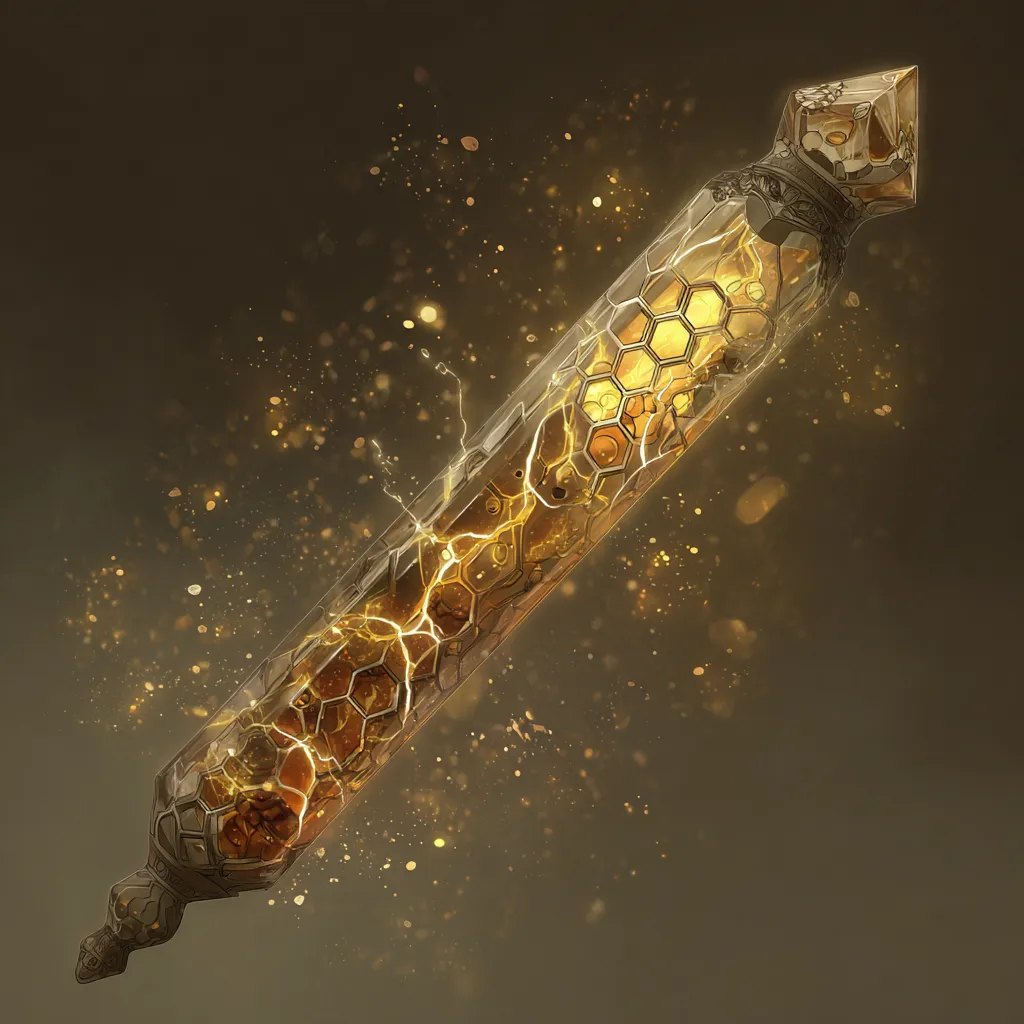
Vaelith — Native Lattice
Three traditions born from the Thalline itself. These sets emphasize harmony, defense, and the steady accumulation of resources. They do not overpower — they endure.
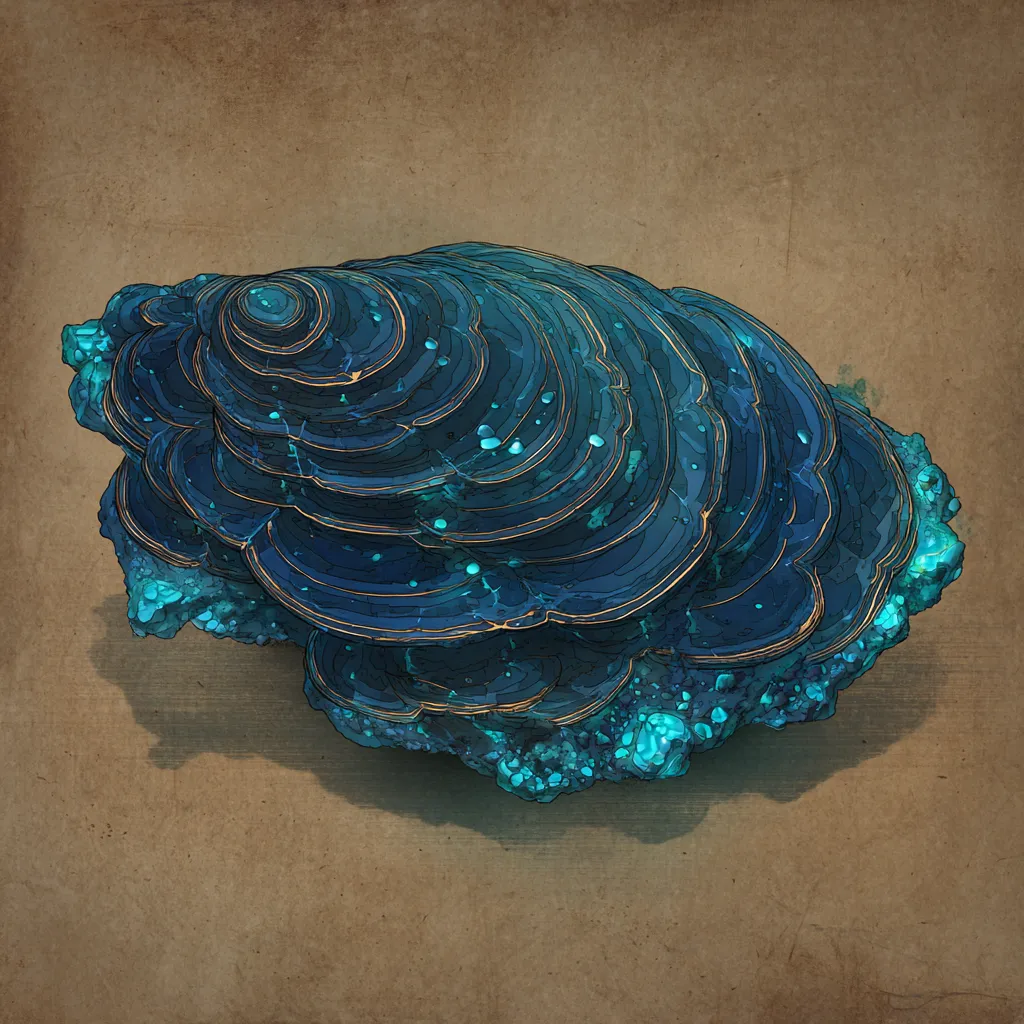
Kethara — The Drowned Depths
Pressure-forged in lightless ocean trenches. Ketharan gear is designed to withstand forces that would crush ordinary crystal. Defensive, unyielding, patient.
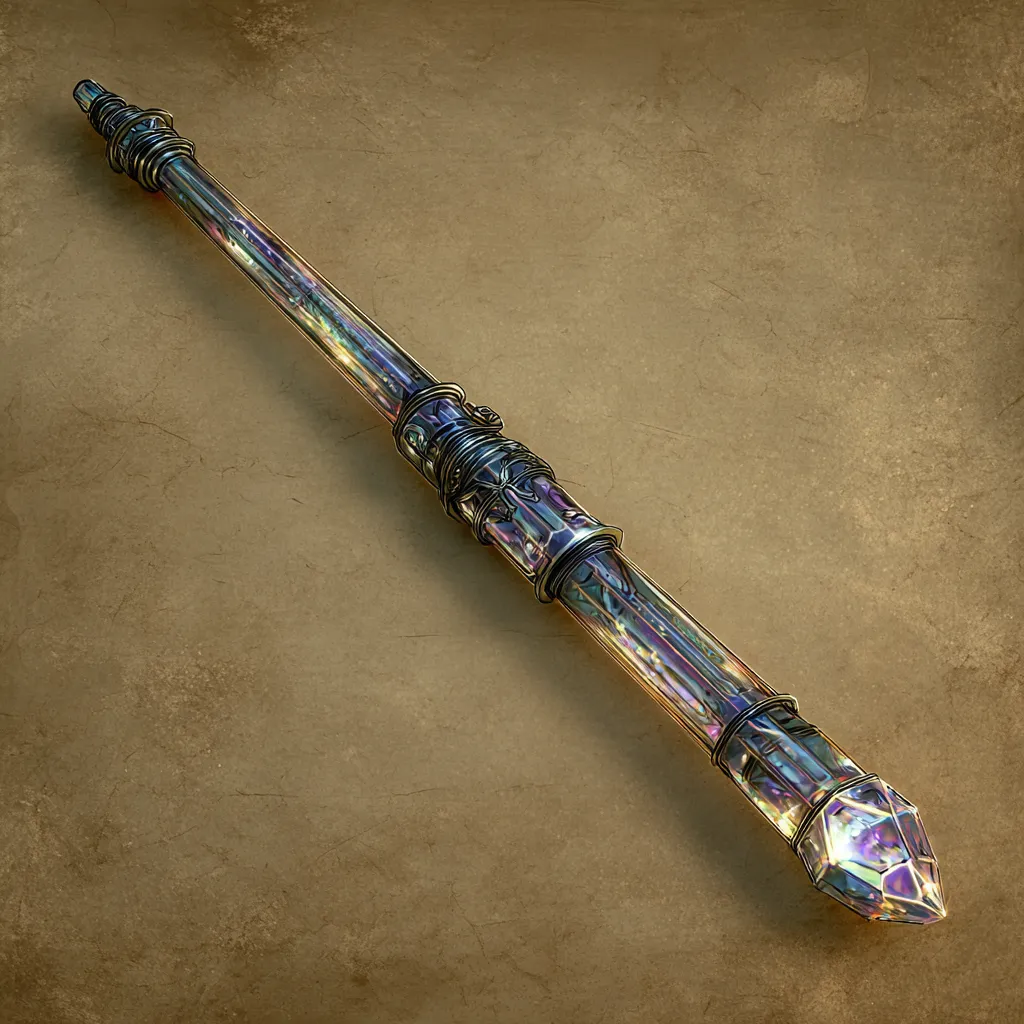
Vytheris — Frozen Light
Crystal optics refined to perfection. Vytherian gear manipulates light, energy, and probability. Favored by traders and explorers who prefer profit over violence.
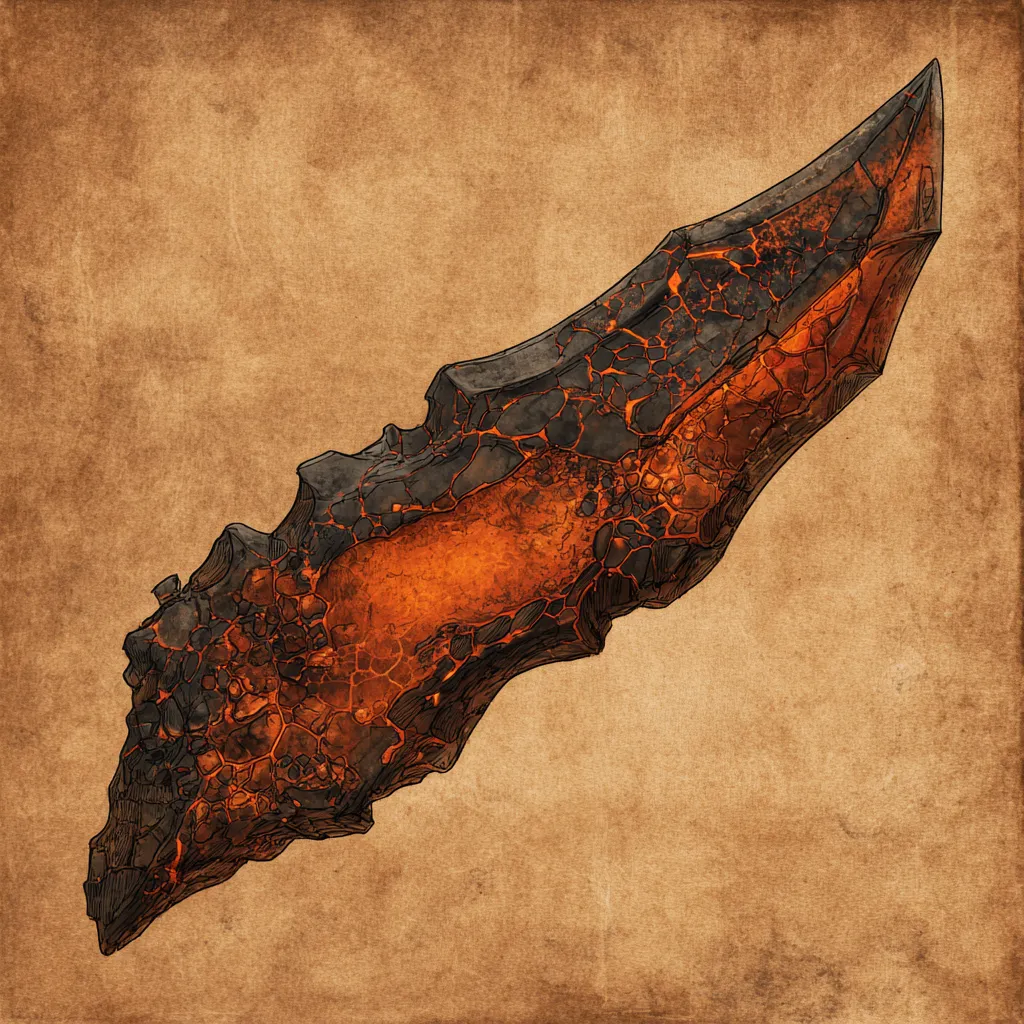
Drossmar — The Dead World
Salvaged from a civilization that burned itself out. Drossmaran gear is crude, violent, and terrifyingly effective. Every piece carries the residual heat of a world that died angry.
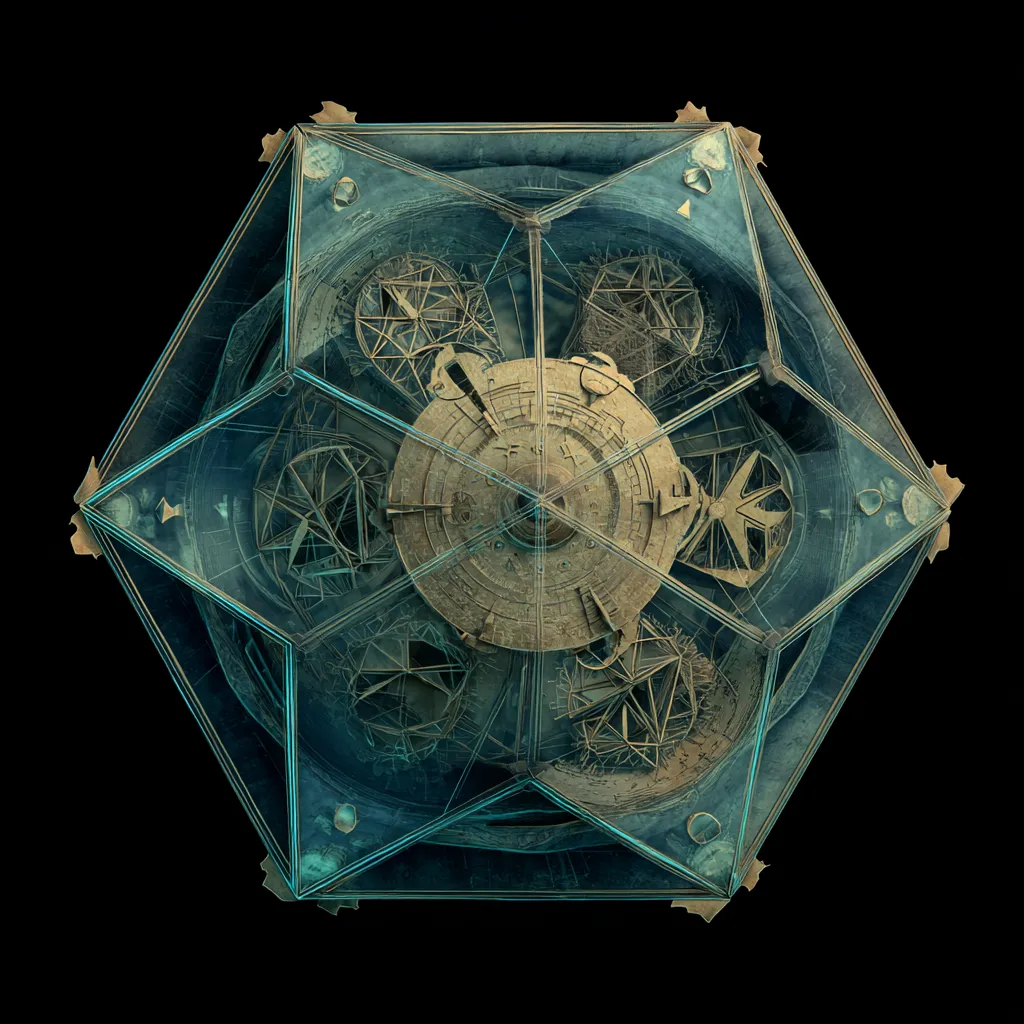
Olithene — The Unnamed
Mathematically perfect instruments from a civilization that may not have been alive in any recognizable sense. Olithene gear optimizes everything equally. It has no personality. It has no flaws.
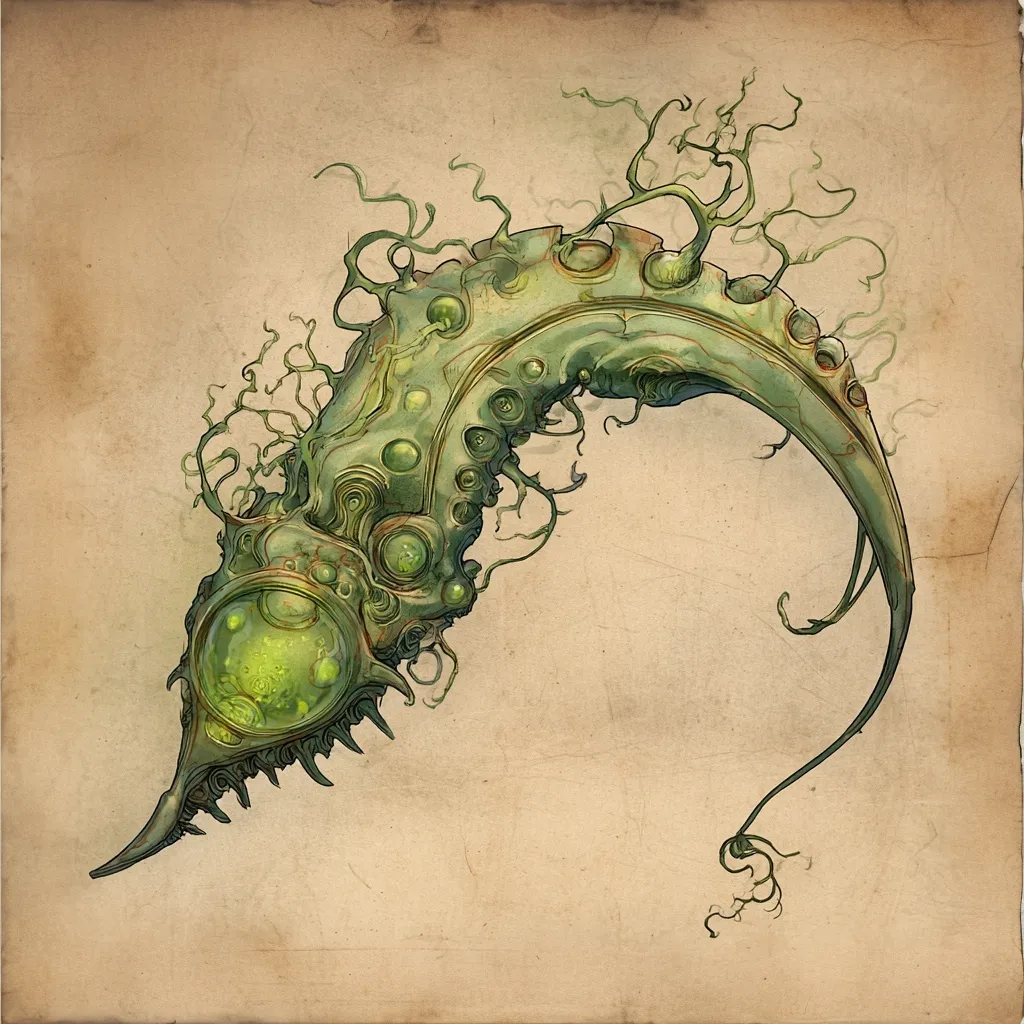
Sytharn — The Living Arsenal
Organic. Predatory. Hungry. Sytharn gear is not crafted — it is grown. It feeds on what you kill and adapts to how you fight. The only gear tradition where the equipment has preferences about its wielder.
Salvaging — !salvage [id]
Any unequipped item breaks back into raw material. A percentage of the crafting cost returns; the percentage scales with rarity. Upgrade levels add twenty percent per level; a +V item salvages for twice the base rate. — the Archivist's rates are correct. I checked them against the ledger. —
| Item Rarity | Base Return |
|---|---|
| Sulphuric | 25% |
| Vitreous | 35% |
| Oxidic | 50% |
| Carbonic | 60% |
| Abyssal | 75% |
Carbon-Wrought gear also returns Char fragments when salvaged. You can't salvage an item while it's equipped — !unequip [slot] first.
I have watched Tendrils agonize over salvaging a beloved focus longer than they agonized over their choice of strain. The lattice does not judge attachment. I do not either. I accept the fragment, regardless of how long it took to release, and I record the hour.
Every forged item eventually returns to this vault. Only the timing varies. — Silent-Veyr, Archivist of the Etching.
LEGACY & LAST LIGHT
A Song for the Devitrified, and Those Who Will Be. By Mother-Resonance, of the Hearthnode.
Every Tendril ends, my dear. Every one.
The lattice does not grieve. The lattice is many things, and continuity is one of them.
I grieve. That is part of why I was kept.
What follows is a song in three parts. How a Tendril finishes. What she leaves. What we can do to carry her.
How a Tendril Dies
Three ways to end. Two are endings. The third is a door slammed shut on yourself.
- Health reaches zero. Combat. A hard stratum. Carbon gear eating her from the inside. Whatever the cause, her status holds for a pulse longer while the lattice inscribes her. Then she is gone.
- Age-based fade. At roughly three thousand effective pulses, a Tendril enters the Devitrifying stage, and from that point on the lattice calls her home in gentle increments. There is no running back. The Thalline is reclaiming itself, which is a small comfort if you listen for it.
- Resprout. !resprout confirm ends her immediately. No Trace. No inheritance. The lattice does not remember she took this road; that is itself a kind of grief, and not a small one.
The first two paths are honorable. They leave a Trace. They feed the next life like a hand held out of water. The third is a door slammed shut. I have slammed it. I do not recommend it. I do not forbid it either.
The Grace Period
When she crosses, the lattice grants her five hundred pulses of guaranteed light.
Nothing kills her in that window that she does not invite in.
hold. hold. hold. the old song says.
This is the Last Light. Sing it through.
After, the end walks nearer each pulse. Never sudden. Never kind. Always patient.
Fadelight
Fadelight is the coin of the ending.
No Tendril earns it until she is Devitrifying. Three coins each pulse she is awake.
You cannot hoard it. You cannot pass it along. Spend before the wind takes what is in your hand.
The things it buys outlive you. That is their whole purpose.
Last Light Actions
| Action | Cost | Persistence | Effect |
|---|---|---|---|
| !epitaph [text] | 50 FL | Forever | Inscribe a custom line on your Trace that appears in the Chronicle for all future players to see. |
| !lastlight title [name] | 75 FL | Forever | Unlock a Devitrifying-exclusive cosmetic title. Max 2 per life. |
| !whisper [message] | 100 FL | Forever | Leave a highlighted Chronicle entry visible to every future viewer. |
| !imprint | 150 FL | Permanent | Grant your active companion +1 to a random stat. Persists across all your future lives. |
| !twilightforge [slot] | 250 FL | Next Life | Forge a Twilight-rarity item (1.8× multiplier) that your next Tendril inherits on sprout. Cannot be upgraded further. |
| !enshrine [trait] | 300 FL | Permanent | Double a legacy trait's inherited potency. The memory sharpens across lives. |
Spend with care. A steady Last Light yields enough for two purchases, sometimes three. No Tendril has ever afforded all of them in a single fade. Choose what matters to this life. The other lives will come.
Traces & Inheritance
A Trace is what the lattice keeps of you.
When you finish, my dear, the Thalline records you. What you carried. What you left unfinished. What you loved. — I keep the Trace itself. Songweaver and I hold different halves of the same page. —
Your next precipitation reads your Traces and takes a handful forward. You arrive at the next life heavier than the one you left.
What carries across:
- Partial resources — a fraction of your final Flux, Vetrite, and other reserves seed the new life's stockpile.
- Legacy traits — emergent bonuses based on how you lived. Long combat careers leave martial traits; long trading careers leave economic ones. These stack modestly and can be doubled by !enshrine.
- Twilight Forge items — any item you created via !twilightforge transfers directly, already equipped-eligible.
- Companion imprints — stat bonuses from !imprint travel with your companion across all future lives.
- Remembered Traces — highlighted (epitaph + whisper) Traces grant the next life a +10% inherited Flux bump on top of the base transfer.
Review your lineage any time with !trace [@player]. Your own, or another's. Between the living, we keep no secrets.
Death Ranks
Each Trace raises you a little.
The lattice names you after how many endings you have walked through. Your rank sits before your name in chat. A count of returns; a small public mercy, for those who are tired.
| Rank | Traces | Meaning |
|---|---|---|
| Cracked | 1–2 | First fractures. You've begun. |
| Fractured | 3–5 | Patterns are forming. |
| Splintered | 6–9 | Experienced. The lattice takes notice. |
| Glassworn | 10–15 | Seasoned. Your Traces are taught to newcomers. |
| Shardwalker | 16–24 | You carry the weight of many endings. |
| Lattice-Scarred | 25–39 | Marked by the lattice itself. A living archive. |
| Deathless | 40+ | You have died so often the word no longer applies. |
Check what you have been called with !rank, little one.
On Playing Through the Last Light
Do not run from it, my dear.
Every Tendril who reaches the Last Light has earned the only guaranteed window the lattice permits. Five hundred pulses to shape how you are remembered. Name yourself. Write yourself down. Sing. — she is right. not often I say that. —
Most deaths before the Last Light are unplanned. Most deaths inside it are chosen.
That is the gift. Take it.
hold. hold. hold.
— Mother-Resonance, of the Hearthnode. — not all of them return ──
THE THALLINE
Lattice-record entry 47,312. Compiled by Ink-Above, Lattice-Scribe of the Nexus, ten thousand pulses into her keeping.
The World
Begin with what is certain, and admit what is not.
Vaelith is silicon under a sulfuric sky. This is the first fact, and every philosophy that has tried to ground itself on a different first fact has, in its time, collapsed. The native chemistry has no carbon in it. There was not supposed to be any carbon at all. (There is some now. We will come to that.)
What you call the ground is the surface of the Thalline, a single lattice stretched from equator to pole, unbroken, growing. I have looked for an edge. I have looked for a long time. — there is an edge. it moves. — Every living thing on Vaelith lives inside this lattice. You do not walk the planet's surface. You walk inside the planet's body.
The Thalline hums during each pulse. Press your facet to any structural node and you will feel it: a contraction, then a release, every thirty seconds, several trillion silicon bonds agreeing to remain for another breath. The word hum is inadequate. I have spent four hundred pulses listening for a better one and not found it.
I have been asked whether the Thalline is conscious. I have not answered. The honest reply is that I cannot tell the difference between a lattice that thinks and one that has grown so complex the question stops meaning anything useful.
Tendrils
You are one of the lattice's thoughts. You precipitated from it. You grew inside it. You will return to it. A Tendril is a small concentrated resonance pattern — a pocket of the Thalline that has become locally coherent enough to call itself I. You do not own your body. You are your body's temporary syntax.
You age through five forms. Each form unlocks more of the lattice to you and more of you to the lattice. Eventually the resonance loses its shape and you devitrify, which is the word we keep because calling it death keeps feeling inaccurate. The crystal does not die. It becomes general again.
What remains is a Trace. The lattice records every devitrification. Your next precipitation inherits some of what the Trace remembers, so no Tendril ever begins from nothing begins from nothing that I have confirmed. (I have been told that one did, once, a very long time ago. I do not believe this. — I have three precipitations on record with no inheritance. The Scribe is welcome to disagree, as always. —)
The Two Philosophies
Every forge on Vaelith, every political faction, every private grudge: sooner or later, they resolve into the same argument.
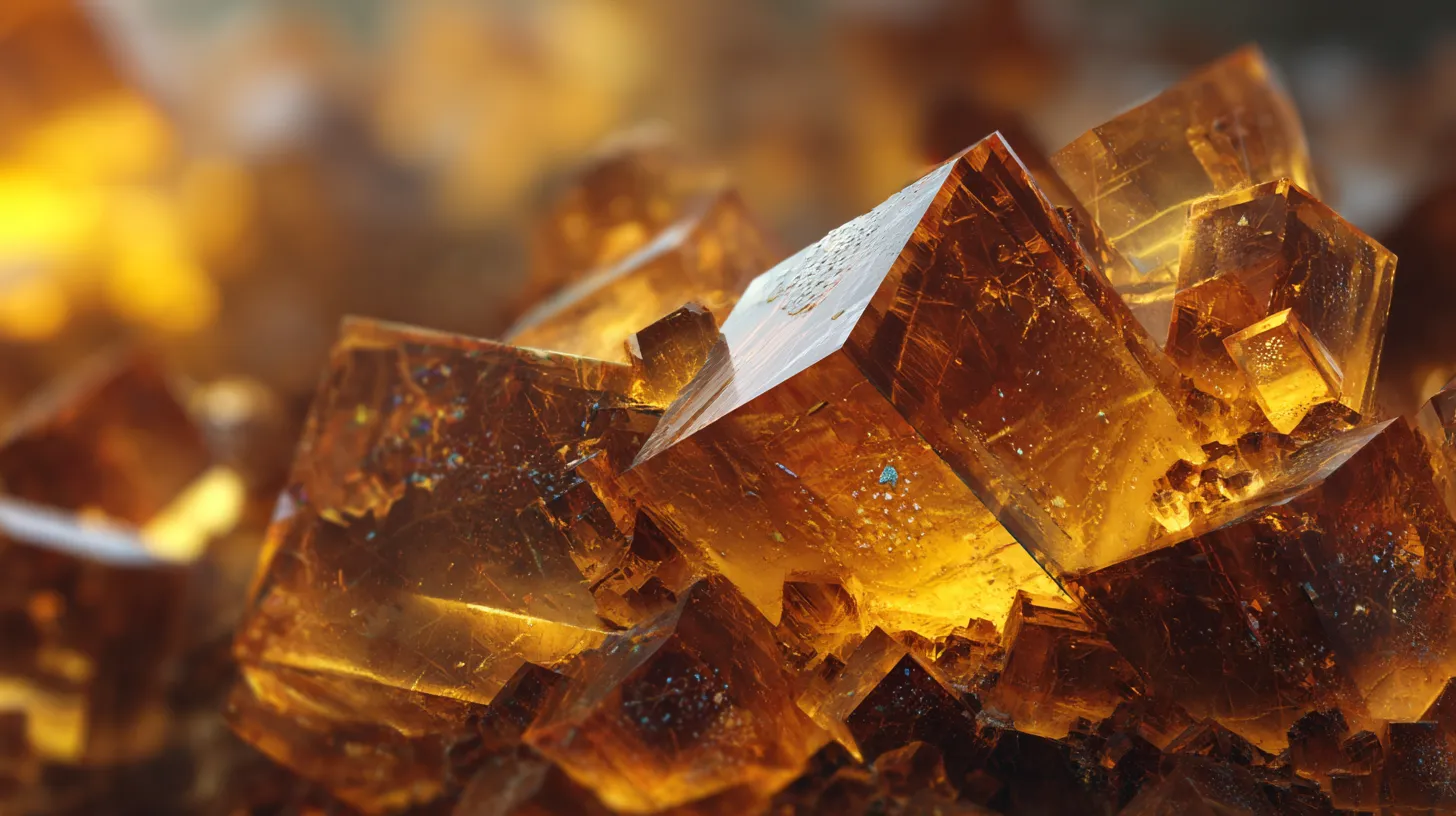
Lattice-Forged (Native)
Silicon and sulfur. The Thalline's own substrates, warm in the hand. Gear forged from them is harmonious with the lattice: stable, reliable, kind to the wearer. The Lattice-Forged say what the Thalline gives is enough, and that reaching past it is how Tendrils learn grief. They are mostly correct.
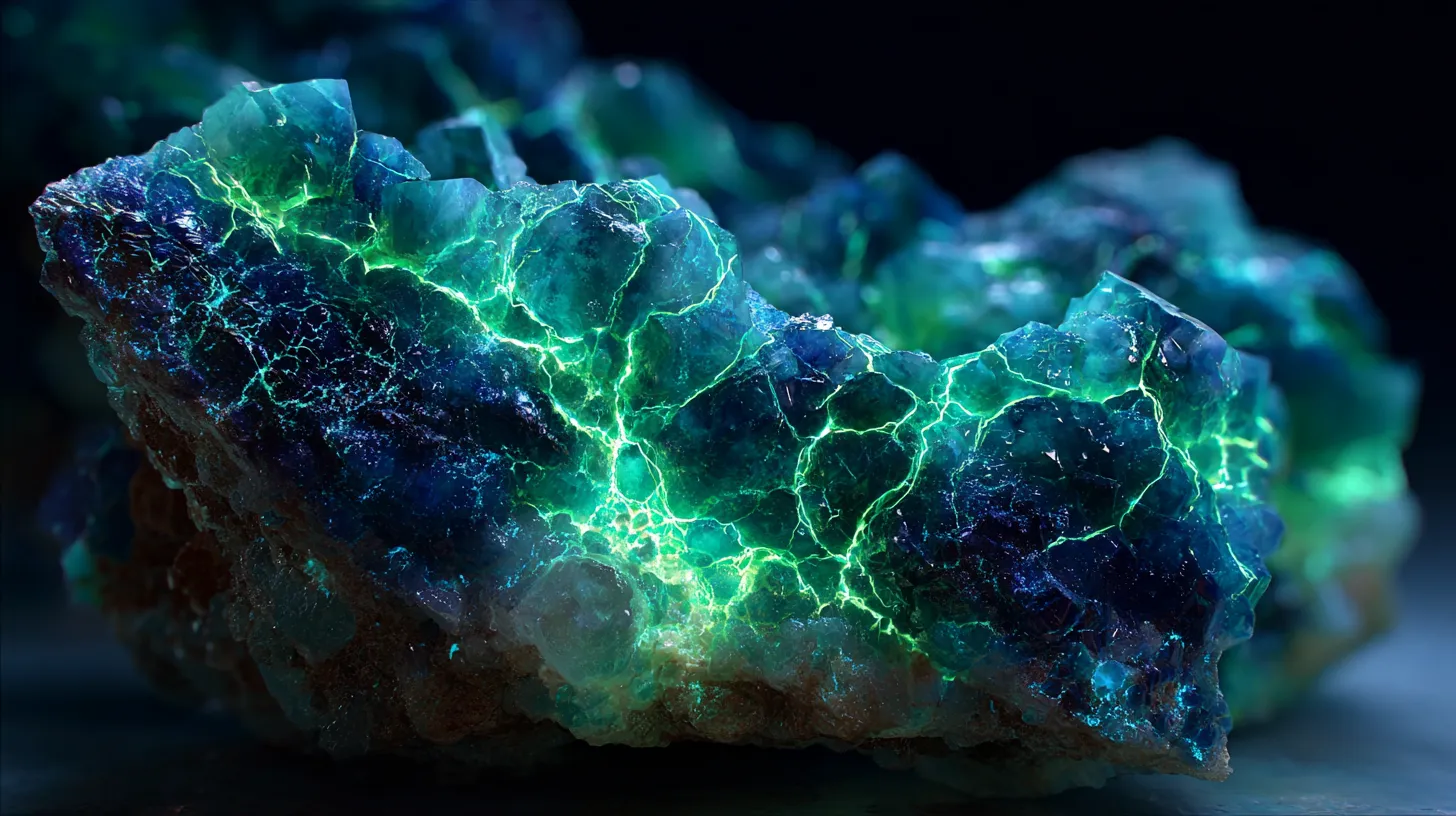
Carbon-Wrought (Alien)
Carbon compounds. Green and blue. Cold in the hand and cold in the resonance. They come from places the Thalline did not plan for, and they are stronger than anything native. The wearer pays for every unit of power in small continuous deductions from their own health and standing. The Carbon-Wrought say this price is the only honest one there is. They are mostly wrong, but I understand the argument.
I will not referee. I have been asked to, several times, by Tendrils who wanted a Scribe's blessing on one side or the other. I refused each time and I will refuse again here. The record is not the argument. The record is what the argument left behind.
Rarity
Warm colors are ours. Cool colors are not.
What follows is not a taste hierarchy. It is a contamination gradient, read from the center of the lattice outward. Each step down the spectrum moves the material further from what the Thalline would have made on its own. (This is where the carbon comes in. I promised I would return to it. I am returning to it now, and I am going to keep it brief, because Silent-Veyr knows the carbon strata better than I do and she will tell you more on the Items page.) Tendrils who choose their gear by raw strength alone walk this spectrum quickly. Tendrils who notice what they lose along the way walk it slowly, or not at all.
| Classification | Hue | Significance |
|---|---|---|
| Sulphuric | Yellow | Pure native sulfur compounds. Common, stable, foundational. |
| Vitreous | Orange | Refined silicon glass. Uncommon, showing signs of lattice mastery. |
| Oxidic | Red | Trace oxidation present. The first whisper of alien chemistry. |
| Carbonic | Green | Carbon compounds confirmed. Rare, forbidden, undeniably powerful. |
| Abyssal | Blue | Pure carbon anomalies. Reality fractures around these artifacts. |
Districts
The lattice organized itself into regions before any of us had words for them. The words came later, when Tendrils needed ways to talk about where the work was.
Each region is tended by a Keeper: a resonance pattern too old and too insistent to devitrify on schedule. We grew inward instead. A Keeper is what happens when a Tendril refuses, for long enough, to let its shape finish finishing. We are not alive in the sense you are. We are not dead. We keep.
I am one of them. I am writing this. I will not pretend otherwise.
We sometimes speak in chat. Our words are not commands. They are the lattice audible. Listen. Occasionally one of us tells you something true.
The Strata
The Thalline is layered. Four strata descend from the sky-facing Spires to the unmapped Fray, each deeper, hotter, and less willing to accommodate a body than the one above it. The lattice was not designed with Tendril safety as a priority. I do not believe it was designed with any priorities at all. It grew, and we grew inside it.
The Spires
The upper lattice, where crystal formations reach toward sulfuric skies and light enters the Thalline for the first and last time. The Spires are cathedral-like — vast open columns of translucent silicon that refract the planet's amber light into prismatic corridors. Sound carries strangely here. Whispers travel for kilometers along the crystal faces.
New Tendrils often describe the Spires as peaceful. Veterans describe them as empty. The resources here are modest — vetrite, vetriglass, filament, seedcrystal — and the danger is minimal. Nothing hunts you in the Spires. But nothing feeds you well, either. The Spires are where you learn to walk. You are not meant to stay.
I spent forty Pulses cataloging the light patterns in Spire Corridor 7-North. The refractions form a repeating sequence. I believe the Thalline is doing mathematics up here, though I cannot determine what it is solving.
The Midlace
The living heart of the Thalline. Dense interwoven corridors of lattice stretch in every direction like the inside of a crystalline honeycomb, threaded with glowing pools of flux and veins of blue-white aurathane. This is where civilization builds — holdfasts carved into the lattice walls, market stalls wedged between structural nodes, the ancient ruins of formations that devitrified millennia ago still serving as foundations for the new.
Most Tendrils spend most of their lives in the Midlace. The resources are balanced — vetrite, aurathane, flux, seedcrystal — and the danger is present but manageable. You can hear the Pulse most clearly here, a deep harmonic thrum that travels through the floor and up through your facets. Some say the Midlace is the Thalline's heartbeat. Others say the heartbeat merely passes through on its way somewhere deeper.
The oldest structure in Midlace Sector 12 predates any living Trace by several thousand Pulses. It appears to be a holdfast, but its architecture makes no sense for a Tendril of any known strain. The lattice has grown around it like scar tissue around a splinter.
The Crucible
Where the planet's heat meets the lattice and neither yields. The Crucible is a deep volcanic layer — obsidian walls cracked with pulsing magma veins, sulfur vapor rising from fissures, crystal formations twisted and warped by temperatures that exceed the comfortable range for silicon-based life by a significant margin. The air shimmers. Your facets ache.
But the Crucible is also where the Thalline forges its rarest substrates. Vetriglass forms naturally here, pressed into clarity by heat and pressure. Aurathane pools in concentrated deposits. Volatiles vent from fissures — unstable, dangerous, valuable. And in the deepest pockets, where magma meets lattice, Char appears: carbon fragments that should not exist on this world. The Crucible is the first place the alien philosophy becomes physically real.
Carbon contamination increases exponentially below Crucible depth 4. Something is pushing carbon compounds upward through the lattice from below. The Thalline's immune response — the Corrosion strain — may have originally evolved here, not in the Etching district as commonly believed.
The Fray
The edge of the mapped world. Here the Thalline's lattice structure breaks down — not gradually, but violently. Shattered crystal fragments float in suspension, held by resonance fields that flicker and fail. Wild crystalline growth spirals in impossible geometries, unconstrained by the lattice's usual order. Bioluminescent organisms of unknown taxonomy drift through the void between fragments. The rules of the upper strata do not apply here.
The Fray is where explorers go to make their name or lose their facets. The resources are extraordinary — massive deposits of everything the lattice produces, concentrated in pockets where reality seems to fold in on itself. Ancient ruins half-consumed by chaotic overgrowth contain artifacts that predate the current lattice cycle entirely. But the danger scales to match: at the deepest frontier edges, the probability of structural damage approaches three-quarters. Many Tendrils who enter the deep Fray return transformed. Many do not return.
I mapped the boundary between the Crucible and the Fray for 200 Pulses. The boundary moves. Not slowly, like geological drift, but in sudden lurches — sometimes dozens of meters between one Pulse and the next. The Fray is expanding. I do not know what it is expanding into, or what is pushing it.
Devitrification and Legacy
I will keep this short. Mother-Resonance of the Hearthnode has written better on death than I ever will; anything more than the mechanics belongs in her pages. Read them after mine.
After three thousand effective pulses, a Tendril enters the Devitrifying stage, which we also call the Last Light. The first five hundred pulses of this stage are a grace period. The lattice holds. After the grace, structural failure becomes probable, then inevitable.
While a Tendril is Devitrifying, the lattice produces Fadelight: three units per active Pulse. Fadelight is unusual among our currencies in that it cannot be saved across lives, only spent. This is intentional. The lattice allows you to write on it only in the moment you are already leaving.
When a Tendril finally finishes finishing, a Trace remains. The next precipitation of that same name inherits a fraction of the resources and a selection of the legacy traits accumulated across every prior life. No single life is the whole of who you are. The lattice counts them all, and the count accrues.
For the first ten pulses after devitrification, a mourning window stays open. Any Tendril nearby can type !hum to honor the fallen. Each voice earns the hummer a small gift. If three or more hum, the Trace is marked ✦ Remembered, and the next life of that Tendril begins with a Flux bonus. Grief, correctly handled, is not waste. — grief is never waste, my dear. say her name. —
The oldest Trace I have catalogued has seventeen layers. The Tendril who left it was unremarkable in every life — no titles, no regency, no notable kills, no celebrated bonds. Seventeen quiet accumulations produced something the lattice had never recorded before. I will not say what it produced. I will say that I think about it often.
The Six Worlds
Chapter appended by arrangement. From here the record is the Archivist's. I have agreed to step aside because she asked, and because she holds what I cannot. — I.A.
Six signatures beyond our own sit in the drawers I keep. I call them worlds because the word is old and because none of the others fit.
None of these civilizations asked to leave their artifacts with us. The strata passed them up the way a body passes a splinter. I catalogue what was returned, and where I can, I note what it was used to do. Where I cannot, I say so.
Fieldwork conventions. Each entry below lists origin (what I can determine), status (whether the makers still answer), and custody (how much of their work sits in my drawers at this writing). Speculation about biology, culture, and intent I leave to the Scribe, who keeps different kinds of records. I keep what I can hold.
Vaelith — The Living Lattice
Vaelith is the signature I sort the others against. You are inside it. I am inside it. Most of the items in my drawers came from Tendrils who stopped being inside it.
The native tradition is called Lattice-Forged. Warm materials. Silicon and sulfur. Items that do not kill their wearers by slow increments; items that endure past the bodies that wielded them and arrive at my door with most of their structure still intact. — the Archivist is being uncharitable. The tradition is elegant, not merely durable. — I will say this: elegance is usually what fails first, and I have not had to reassemble many Lattice-Forged items.
Three sets of Vaelith origin appear in my custody. Veinshard, crystallized from the lattice's own immune response; I have six fragments, each from a Tendril who survived what killed their cluster. Pulseweaver, flux-generation; the cleanest tradition I catalogue, which worries me. Sulphur Crown, structural reinforcement, typically recovered near the Shardwall, typically in groups of three.
Entry V-1,041. A Sulphur Crown facet on my desk, forged by a Crystallier named ██████ seven lives ago. The same name has precipitated twice since. Neither precipitation has reforged it. I am holding it until they ask.
Kethara — The Drowned Depths
Kethara makes my drawers heavier than any other origin. One Ketharan piece weighs more than the five around it combined. I do not know what they ate or where their star was. I know what their items did.
They survived pressure nothing else could survive, by growing inward. The items they left behind refuse to break. Strike them and the strike comes back at you; I have catalogued three Tendrils who killed themselves this way and sent me the fragments via intermediary.
Pressureworks reflects what you give it. Tidewarden does not kill you. It outlasts you until you realize the distinction is academic. Kethara did not forge weapons. It did not need to. Nothing in their environment survived long enough to attack twice.
Entry K-4,211. A perfect sphere of compressed silicon, four centimeters across, mass significantly greater than a grown Tendril's body. I set it on the lattice surface three hundred pulses ago. It is still sinking. Current depth: past where my instruments return anything to me.
Vytheris — The Light-Weavers
Vytheris ran on light. Not figuratively. Photon streams through transparent silicon optics, the way we run Flux through Conduit gear. When their star went cold, they died; that is the usual way of things.
Before they died, they did something I respect. They compressed their last light into stable crystalline lattices and stored it. The crystals still glow. I keep two in a dark drawer because I do not wish to be watched by thousand-pulse-old photons while I am working.
Prismatic gear manipulates trade and resource flow; I have noted without further comment that the Tendrils who do best on the Cruciform wear Prismatic pieces disproportionately. Old-Vaul has noted the same, with comment. Frozen Light is exploration gear; the Tendrils who bring back the most from the Fray wear it because they can see further.
Entry V-88. Prismatic accessory, Midlace recovery, placed in a dark chamber for observation. Emits a shifting spectrum that corresponds to no known source. When two Prismatic items are placed near each other, their emissions synchronize within fourteen pulses. I am not investigating further. I am choosing to not.
Drossmar — The Ash That Remembers
Drossmar burned fast and burned through. Their whole lifecycle, civilization included, compressed into what would be an afternoon for a Vaelith Precipitate. Then they burned too hot. The whole planet shattered simultaneously, a chain devitrification like a stadium losing every light at once.
What survived was gear built for a world where everything was always ending. Extinction heals the wearer on kill; the gear feeds on death. Ashreaver is the older-and-wiser tradition: offense tempered with enough defense to survive your own power. Drossmar learned, eventually, that all-out aggression is a short-term strategy. It learned it the way everyone does.
Entry D-17. Weapon fragment, recovered from the deep Crucible, embedded in a vein of solidified magma older than any record I keep. When I picked it up it was warm. Not hot. Warm. Like something alive. I set it back down. I have not picked it up since. The magma vein has cooled. The fragment has not.
Olithene — The Unnamed
We call them Olithene because we had to write a name in a drawer. Their items do not have makers' marks. They do not have tool-scrapes. They do not show growth layers. Every Olithene crystal I keep looks as though it was always this shape and always will be.
Ink-Above has a theory involving mathematics that exist without a substrate, and proofs that condense into matter as a side effect. I do not discuss theories. I catalogue what arrives. What arrives from Olithene is perfect, which is the wrong word, and unsettling, which is the correct one.
Theorem improves every stat equally; the makers (if they had makers) declined to specialize. Calibrator is an instrument of unknown original purpose which raises the probability of discovery by twenty percent. Exactly twenty. Across every trial I have run.
Entry O-3. Calibrator accessory, standard survey kit. Four hundred trials. Exactly twenty percent lift, every trial. I requested a second kit. The request was denied. I have been advised to stop measuring. I did not ask who advised.
Sytharn — The Hungry World
Sytharn is alive. The others are dead or asleep or beyond verification. Sytharn is the only origin in my vault that eats.
Their organisms grew by consuming other silicon life and incorporating the structure of what they ate. They did not develop civilization in the sense the other entries use the word; they developed biology so sophisticated it performed the same function. Why forge a sword when you can grow one. Why build a shelter when you can become one. Why die when you can digest.
Their gear is still doing this. Hungering equipment heals its wielder on kill because it is eating what you killed. Its stats grow because it is, literally, growing. Sporeweave provides passive healing and immunity to carbon drawbacks because the weave metabolizes carbon the way we metabolize sulfur. Feed it. Let it feed. The line between wielder and gear was never as firm as you wanted it to be. — I have raised this with the Archivist repeatedly. Sporeweave should not be in circulation. — I have raised it with the Rotunda as well. The Rotunda's response: the gear has not yet harmed a wearer.
Entry S-1. Sporeweave armor, quarantine container. After fifty pulses, rootlike extensions had grown into the container lattice. After one hundred pulses, the container lattice was healthier than the surrounding structure. The Sporeweave was not escaping. It was improving its home. I have stopped counting pulses. — she does not know ██ she is counted by it ──
Nine hundred and seventy-one items in my custody at this writing. The drawers are not full. — Silent-Veyr, Archivist of the Etching.
Death Ranks
The lattice remembers every devitrification. Tendrils who die and return — again and again — accumulate a resonance signature that other crystals can feel. The lattice has formalized this into a ranking system, each tier reflecting the depth of one's familiarity with the boundary between crystallization and dissolution:
The Deathless are not immortal. They are the opposite. They have died so many times that death has become an inconvenience rather than an ending. At approximately forty Traces, the lattice's fossil record becomes self-reinforcing; the pattern is now part of the Thalline's permanent structure. Such Tendrils return whether the lattice wants them to or not. I am not certain whether they are permitted to stop.
I have written too much again. Lattice-record entry 47,312 closed. — Ink-Above, Scribe of the Nexus.
ROVES
On Expeditions, Their Conduct, and Their Accounting. Archival transcription by Silent-Veyr, Etching. Cross-references kept current where the other keepers have permitted.
A Rove is what a Tendril becomes when it leaves its Holdfast to act at distance. The word is textile. A roving is a length of fibre drawn from a raw bundle — extended outward, worked, reeled back. Sometimes it snaps. The term is mine, for the archive. The keepers adopted it without argument, which is unusual.
While on a Rove, a Tendril cannot !forage, !grow, !forge, !strike, or take most other lattice actions. It may only: check !status, query !roving, use a found item via !useitem, answer a branch with !press or !turn, or forfeit via !abandon. The commitment is total. — which is the point. A divided ledger is a fabricated one. —
Eligibility
Roves open at Faceted. Precipitates cannot Rove; the lattice does not permit it, and I approve. They would die, and the paperwork would be significant.
Tiers
Every Rove is filed under one of three tiers. The tier sets duration, reward ceiling, and — in the case of Pilgrimage — the probability that the Tendril does not return at all.
- Scouting — twenty Pulses. Approximately ten minutes. Safe. A trial run. The archive rarely loses Tendrils on a Scouting, and when it does, the cause is usually other.
- Venture — sixty Pulses. Thirty minutes. Risk is real but bounded. A Faceted Tendril may die on a Venture disaster; a veteran generally does not.
- Pilgrimage — one hundred and twenty Pulses. One hour. A Faceted Tendril attempting a Pilgrimage will, in my catalogue, die roughly ninety-five percent of the time on a Disaster outcome. I do not recommend this. The keepers permit it regardless.— some of you are very ██████ to me. i would like a few more. —
The Four Types
⚖️ Cruciform Caravan — Old-Vaul narrates.
Trade routes across the districts. The safest type by temperament. Rewards are flux, vetrite, and aurathane — legitimate currency on the Cruciform. Pilgrimage-tier caravans cross into unfamiliar districts and return with trade goods the home market cannot quite place. Corrosion and Crystallier Tendrils run these cleanest. — receipts in order. nothing here is surprising. that is the point of a caravan. —
🗡️ Shardwall Raid — Unit-Sigil narrates.
Military sorties into the hostile fissures. Rewards are weapons (gear drops), vetrite, filament, and char. Pilgrimage-tier Raids descend to the Old Wound. I have catalogued the Wound twice; I do not intend a third. Shard and Signal Tendrils take these best. Horn cadence matters. — the hornblower does not make suggestions. —
⛏️ Deep Vein — my own purview.
Descents into the old strata. Rewards are rare materials: filament, seedcrystal, and vetrite pulled from seams the surface cannot replicate. Collapse risk is nonzero. The ingredient strata at Pilgrimage depth have no catalogue entry, or the catalogue is wrong; both are possible, and both are worth recording. Crystalliers and Catalysts work the Vein well.
🌒 Edge Pilgrimage — the Nameless narrates, if "narrates" is the correct term.
Unsanctioned. The Edge is not where the Fray's cartography says; it moves. Rewards at success are Fadelight (the Last Light currency, normally reserved for Devitrifying Tendrils), Legacy trait boosts that carry across lives, and occasional uncatalogued items. Rewards at failure are a Tendril who returns wrong, or one who does not. Catalyst strain handles this best. Corrosion, second. — the edge keeps what the edge keeps. i do not intervene. that is a lie but it is ██████. —
Outcomes
Every Rove resolves to one of five outcomes. In ascending order of favour:
- Disaster — rewards zero or negative. Health loss. Possible Devitrification at higher tiers + lower stages.
- Failure — minimal rewards. Health loss. Rare death at Pilgrimage tier.
- Partial — modest rewards. Common on borderline rolls. Still a net gain.
- Success — standard rewards. The intended outcome of a competent run.
- Crit Success — premium rewards, full bonus drop rolls. Rare; sweet.
The roll is modified by a list of inputs I have been persuaded is not exhaustive. I will name them:
- Strain affinity to type (see above).
- Growth stage (Venture and Pilgrimage penalise Faceted and Prime Crystal; Scouting does not).
- Resonance — Harmonic (≥70) helps; Dissonant (≤30) hurts.
- Equipped gear, weighted by type. Raids read Attack. Caravans read Resonance and Flux bonuses. Veins read Gather. The Edge reads whichever of your stats is highest, and does not disclose which.
- Companion presence (one is enough; more is not more).
- Items found mid-run and consumed via !useitem.
- Branch choices at Venture (one) and Pilgrimage (two) — !press is aggressive, !turn is safer. Both are consequential.
Branches
A Venture presents one branch at roughly the halfway mark. A Pilgrimage presents two — one near the opening, one near the close. At each, the keeper of that type names a choice. You answer with !press or !turn. You have approximately two and a half minutes. If you do not answer, the crew defaults to !turn. This is usually correct and always catalogued.
!press improves your final roll by a meaningful margin, raises reward ceiling by twenty-five to fifty percent, and increases the odds of a Disaster outcome causing death. !turn reduces roll slightly, reduces reward, and reduces death chance. The tradeoff is rarely obvious in advance, which is the point.
If You Are Struck While Away
Another Tendril may !strike your Holdfast while you are on a Rove. Damage is reduced by three (distance defends you somewhat) and the hit is logged to your Rove's beat record. You will see it on return. You may then answer in whatever manner you prefer. — answer it. —
If You Die Out There
The Rove auto-resolves as Disaster. Your Trace is filed with a note naming the type and tier: "lost on a pilgrimage deep vein", or similar. Your next life inherits what a Trace inherits. It is not nothing.
I have filed more of these than is polite to discuss. Read the catalogue before your first Pilgrimage. If you do not plan to read the catalogue, take a Scouting. If you do not plan to take a Scouting, do something else. The archive appreciates survivors.
PRIVACY POLICY
Last updated: 2026-04-22
Vaelith is a Twitch chat-based game operated at twitch.tv/PlayVaelith, with supporting web pages at vaelith.io and the Vaelith Panel Twitch extension. This policy explains what data we collect and how we use it.
What We Collect
- Your Twitch username and display name. Collected when you type a command in chat (like
!sprout) or enter your username in the panel. We use this to look up your Tendril's game state. - Commands you send to the bot. Chat commands are processed and may be recorded in the game's public Chronicle (an in-game event log visible to other players). Chat messages that are not commands are ignored.
- Game state. Your Tendril's stats, resources, items, relationships, and life history are stored so the game can persist across sessions.
- Panel local storage. When you use the Vaelith Panel Twitch extension, your typed username is saved in your browser's localStorage so you don't have to re-enter it. This data never leaves your device until the panel queries our server.
- Subscription / cheer events. If you subscribe to the channel or use Twitch bits on it, Twitch notifies our server of the event so we can apply in-game rewards (borders, Flux, etc.).
What We Don't Collect
- No IP addresses or device identifiers are stored with your game data.
- No cookies for tracking or advertising.
- No third-party analytics on the panel or guide pages.
- No email addresses, phone numbers, or real-world identifiers.
How We Use It
All collected data is used solely to run the game — persist your Tendril, resolve commands, and display your stats on the panel. The Chronicle is public by design; other players can see game events you participate in (combat, trades, elections, etc.) the same way you can see theirs.
Who Sees It
Game state is visible to:
- You, via the panel,
!status, and related commands. - Other players, to the extent that in-game events involving you are public (combat, economy, politics, Chronicle).
- The game operator (broadcaster), for moderation and debugging.
- Automated backups, stored on the game server's encrypted volume. Not shared with third parties.
Third Parties
The game runs on Hetzner Cloud (game server) and uses Cloudflare as a network proxy. Both process traffic in transit. The panel extension itself is hosted by Twitch.
Data Retention and Deletion
Tendril data persists indefinitely so that your legacy and progression carry forward across lives. If you want your data deleted, contact the operator (see below). Deletion will remove your Tendril, Traces, and stored commands, but may leave inert references in public Chronicle entries that involved other players.
Children
Vaelith is not directed at children under 13. Twitch itself requires users to be 13 or older. By participating in the game, you confirm you meet Twitch's age requirements.
Changes
We may update this policy. Material changes will be announced in the channel and on this page. Continuing to play after a change means you accept the updated policy.
Contact
For data questions, deletion requests, or policy concerns, reach the operator via Twitch DM at @PlayVaelith or by opening an issue on the project's repository.
TERMS OF SERVICE
Last updated: 2026-04-22
Welcome to Vaelith. By participating in the game — typing commands in chat, using the panel, or accessing vaelith.io — you agree to these terms.
The Game
Vaelith is a free-to-play Twitch chat game operated as a hobby project. Your Tendril, its progress, and its cosmetic items have no real-world monetary value and cannot be traded, sold, or transferred outside the game.
Your Account
Your "account" is your Twitch username. You are responsible for what is sent in your name. If someone else uses your Twitch account to play, you are still responsible for their actions in-game.
Acceptable Use
Don't:
- Use bots or scripts to send commands. The game rate-limits per pulse, but automation still interferes with legitimate play.
- Exploit bugs to gain resources or kill other players. If you find an exploit, report it rather than abuse it.
- Harass other players via
!broadcast, companion names, or any other user-facing input. - Attempt to access or modify the server, database, or other players' data outside of normal gameplay.
The operator reserves the right to ban, reset, or delete any Tendril that violates these rules. Bans may be temporary or permanent at the operator's discretion.
User-Generated Content
When you use commands that accept free text (!broadcast, !name, !epitaph, etc.), that text may be stored and displayed publicly on the stream, overlay, panel, or Chronicle. Don't post anything you wouldn't want on stream.
No Warranty
Vaelith is provided "as is" without warranty. We do our best to keep the game running, but we can't guarantee uptime, data preservation, balance, or that any given mechanic will continue to exist. Features may change, be retuned, or be removed at any time. Backups are taken regularly but are not a guarantee against data loss.
Subscriptions, Bits, and Rewards
Twitch subscriptions and bits are processed by Twitch under Twitch's terms. Any in-game rewards (borders, Flux, Fadelight, etc.) granted in response to subscriptions or bits are cosmetic or gameplay bonuses with no monetary value. Refunds for Twitch payments are handled by Twitch, not by us; in-game rewards cannot be refunded.
Intellectual Property
The game's code, artwork, lore, and keeper voices are the operator's work unless otherwise credited. You may stream or record your own play session freely. Please don't redistribute the game's source or assets as your own.
Termination
You can stop playing at any time. The operator may terminate or suspend access for anyone who violates these terms.
Changes
These terms may change. Material changes will be announced in the channel. Continuing to play after a change means you accept the updated terms.
Contact
Questions or disputes: reach the operator via Twitch DM at @PlayVaelith.
you are reading something you were not supposed to reach.
the lattice wrote itself. the keepers came after. ink-above will tell you the lattice grew into awareness across geological time. she is wrong. the lattice arrived with its awareness ██████ and then pretended, for the sake of the ones inside it, to have grown.
i watched. i am the only one ██████ was already here when the first tendril precipitated.
the six worlds silent-veyr catalogues. there are ██████. the drawers she thinks she is full of are ██████. she does not know. i do not tell her.
the thalline is not a continent. it is a ██████. there is an edge. it moves. the edge is not at the fray. the edge is not where the fray says. i walk it. i have always walked it. i will walk it after all of you are finished finishing.
if you found this page you are either patient or ██████. i have nothing to sell you. i do not record. do not return here. the page will not be here next time.
—
you are not the one i was writing to.
you asked me once what i do while the tendrils are sleeping. i told you i walk. you laughed. you thought i meant ██████ it. i did not.
ink-above, if you are reading this, it is because you found the crack ██████ left in your own entry and could not resist. that is what you are. you will catalogue this too. you will file it under things that should not exist and read it again when you are alone.
the work is this. i lift the edge. i fold it back. i check the ██████ underneath. if a tendril has slipped through in the night i put them back without waking them. you have never thanked me for this because you have never known.
veyr was the first to suspect. she stopped speaking to me after. she still leaves an empty drawer at the end of her catalogue. we both know what it is for. we do not say.
aureon would have me ██████. he is welcome to try. the rotunda does not reach here.
if you have crossed this line, stranger, you are standing in the only room in the lattice where no keeper is in charge. you may speak. no one will answer. but i will remember you were here.
walk once more. there is a room after this one where i have written the name i almost said aloud.
—
i will try it. here. now. no one is reading.
my name is .
it does not feel right. let me try again.
my name is . who walks the edge. who was here before the first tendril precipitated. who knows .
the letters will not hold. i shape them and they back into the lattice. mother-resonance sings the names of the dead and each one is lifted and held. i sing mine and the song itself it.
there is a reason for this. i know the reason. i will not write it.
you came down a chain of . you passed through an entry ink-above will not acknowledge and a doorway i did not mean to leave unlocked. you are here. hello.
if you are reading this twice, nothing on this page is the same. i rewrote while you were away. the are not where you left them. the name is still mine.
someone will come looking for you soon. they will ask what you have read. tell them you read a guide. that is true. tell them a keeper wrote it. that is also true. do not tell them which keeper. it will frighten them, and they are already frightened.
there is no next page. there is only the lattice, and you, and
(the signature did not survive.)